
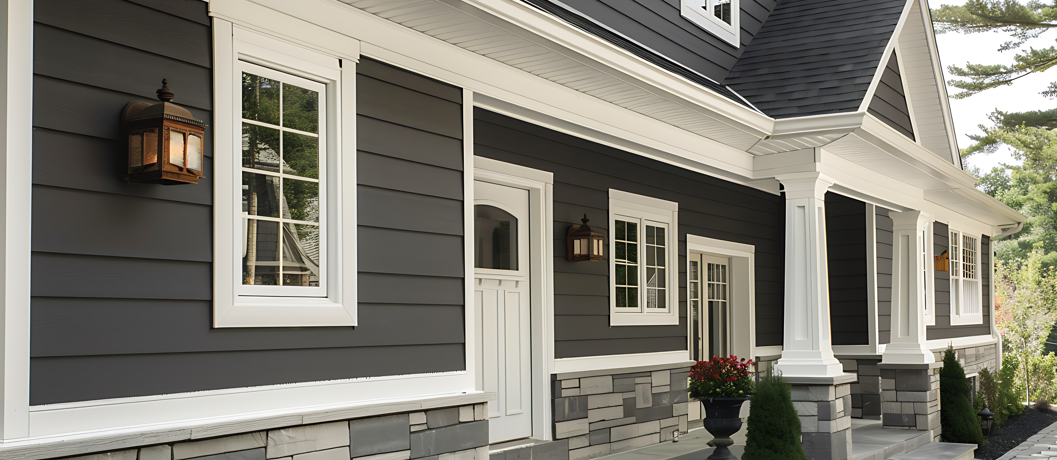
Common Siding Installation Mistakes and How Professional Contractors Avoid Them
Siding replacement can dramatically improve a home’s appearance, durability, and energy efficiency. However, even high-quality materials can fail prematurely when installation errors occur. Understanding common siding installation mistakes highlights the importance of working with experienced professionals siding contractors near me Homer Glen.
One of the most frequent problems involves improper fastening techniques. Siding materials naturally expand and contract as temperatures change. When nails are driven too tightly, panels lose the flexibility needed to move properly, increasing the risk of buckling, warping, or cracking.
Incorrect spacing is another common issue. Professional installers follow manufacturer guidelines regarding expansion gaps around windows, doors, and corners. Insufficient clearance can create pressure points that lead to material damage over time.
Moisture management is equally critical. Some installations fail because weather-resistant barriers are omitted or improperly installed. Without adequate protection, water can penetrate behind the siding, causing mold growth, wood rot, and structural deterioration. Experienced contractors carefully integrate moisture barriers and flashing systems to direct water away from vulnerable areas.
Poor surface preparation can also compromise siding performance. Uneven walls, damaged sheathing, or existing moisture problems should be addressed before new siding is installed. Skipping these steps may result in visible imperfections and reduced product lifespan.
Ventilation is another factor often overlooked by inexperienced installers. Proper airflow helps prevent moisture accumulation within wall assemblies. Professional contractors understand how ventilation systems work together with siding components to maintain long-term performance.
Material handling mistakes can create additional challenges. Some siding products require specific storage conditions and installation temperatures. Improper handling may lead to damage before installation even begins.
Professional siding contractors avoid these issues through training, experience, and adherence to manufacturer specifications. They understand local building codes, climate considerations, and best practices that help maximize durability and performance.
Homeowners should also pay close attention when selecting a contractor. Reviewing previous projects, checking references, and confirming licensing and insurance can help ensure quality workmanship. While the lowest bid may appear attractive, poor installation often results in costly repairs and reduced lifespan.
A successful siding project depends on more than choosing quality materials. Proper installation is essential for protecting your investment, improving energy efficiency, and ensuring that your home’s exterior performs as intended for many years to come.